
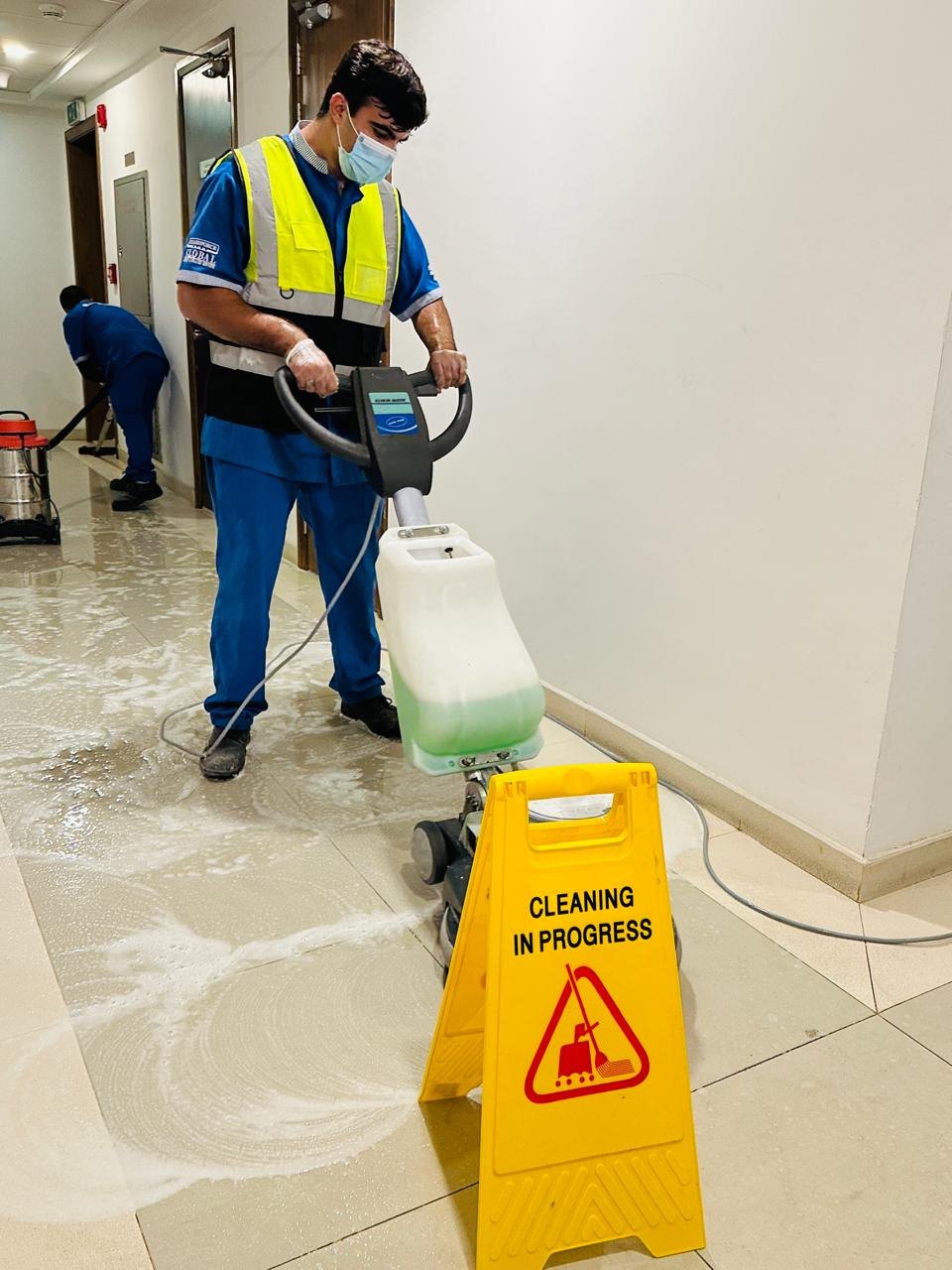
A commercial cleaning contract becomes difficult to control when the scope is based on broad phrases such as “maintain all areas” or “provide daily cleaning.” Those statements sound complete, but they leave bidders to make different assumptions about tasks, frequencies, staffing, equipment and consumables. The result is often a wide price range, unclear accountability and disputes after mobilisation. A useful commercial cleaning scope gives every contractor the same operational picture and gives the facility manager a practical basis for measuring delivery.
Why scope clarity matters before requesting quotations
Price should reflect the work required, not a contractor’s guess about the building. Before approaching the market, define what is included, when it must be completed and which party provides the resources. This makes quotations easier to compare and reduces the risk of an attractive price being based on missing tasks.
Begin by reviewing the type of operation, occupancy pattern, public access, operating hours and site restrictions. A corporate office, shopping centre, clinic and warehouse may contain similar surfaces, but their cleaning priorities and service windows are different. MKM’s commercial cleaning service is structured around the requirements of the actual facility rather than a one-size-fits-all task list.
Map the facility by zone
A drawing or total square-metre figure is not enough on its own. Divide the premises into operational zones and record the approximate size, floor finish, usage and access conditions for each one. Typical zones may include:
- Entrances, reception areas and customer-facing spaces
- Workstations, meeting rooms and management offices
- Washrooms, pantries and staff welfare areas
- Corridors, lifts, stairs and shared circulation areas
- Loading bays, waste rooms, car parks and external approaches
- Restricted, secure or technically sensitive rooms
Identify high-contact points and locations that become visibly dirty faster than the rest of the facility. Also record areas that can only be accessed with an escort, permit, key or security clearance. These details affect the sequence of work and the productive time available to the cleaning team.
Define tasks, outcomes and frequencies
For every zone, state the task and the required frequency. “Clean the lobby” is open to interpretation. A stronger entry separates floor care, entrance glass, furniture, high-contact points, waste removal and periodic detail work. It should also state whether the expected frequency is continuous, per shift, daily, weekly, monthly or on request.
Use outcomes where they improve clarity. For example, a washroom requirement can state that fixtures, dispensers, mirrors, floors and touchpoints must be left visibly clean, dry and ready for use. The supporting task schedule can then explain how that outcome is achieved. Avoid unrealistic language such as “spotless at all times” when the area remains occupied; define an inspection and response process instead.
Separate routine work from periodic services. Carpet extraction, high-level cleaning, machine scrubbing, external glass, upholstery treatment and post-event restoration may require different equipment, planning or pricing. The MKM services overview can help buyers distinguish daily commercial cleaning from specialist or periodic requirements.
State who provides chemicals, equipment and consumables
This is one of the most important commercial decisions in the scope. State whether chemicals and cleaning equipment will be provided by the contractor, the client or through a mixed arrangement. Do the same for washroom consumables, waste bags, dispensers and specialist machinery.
If the contractor supplies them, request an itemised schedule or an agreed product and equipment list. If the client supplies them, define storage, stock control, access and the process for reporting low stock. A mixed arrangement should identify each item rather than relying on a general statement. The scope should also confirm responsibility for equipment maintenance, battery charging, safe storage and replacement when a machine is unavailable.
Build staffing around workload and service windows
A requested headcount can provide budget control, but headcount alone does not prove that the scope is achievable. Ask bidders to explain how their proposed deployment relates to the zone schedule, shift length, access limitations and peak periods. Distinguish cleaners, working supervisors, relief coverage and any specialist operators.
Also define the required service windows. Some tasks can be completed before staff arrive, while washrooms, reception areas and shared spaces may need attention during operating hours. Where the requirement is primarily for managed personnel, review the responsibilities covered by cleaning manpower and managed deployment.
Ask how absence, annual leave and unexpected demand will be handled. The answer should explain the escalation process and continuity approach without promising resources that have not been included in the commercial offer.
Make quality measurable
A cleaning scope should explain how performance will be inspected, recorded and corrected. Agree the inspection areas, responsible people, reporting frequency and close-out process. Useful controls can include scheduled joint inspections, supervisor checklists, issue logs, photographic evidence where appropriate and recurring management reviews.
Quality measures should relate to the service being purchased. Attendance records alone do not demonstrate cleaning quality, while a visual score alone may not show whether scheduled periodic tasks were completed. Use a balanced set of measures covering attendance, task completion, visible condition, response to reported issues and closure of corrective actions.
Training also needs an operational connection. The scope can require site induction, task instruction, chemical handling guidance, equipment familiarisation and refresher training relevant to the assigned duties. Buyers can review MKM’s approach on the training page.
Plan mobilisation before service begins
The mobilisation section should identify what must happen between contract award and the first operational shift. Typical requirements include a verified area schedule, agreed staffing plan, staff access approval, site induction, equipment delivery, storage allocation, product approval, reporting templates and a joint opening inspection.
A pre-start visit is especially useful when tender drawings are outdated or when access, finishes and occupancy have changed. MKM’s site survey and mobilisation service is designed to turn site conditions into an actionable delivery plan.
Use change control to prevent scope drift
Facilities change. A new floor may open, occupancy may rise, operating hours may extend or an event may create additional demand. Define how extra work will be requested, approved, priced and recorded. This protects both parties from informal instructions becoming permanent obligations without a review of labour and resources.
Before comparing bids, confirm that each contractor has priced the same areas, frequencies, shifts, periodic tasks, supplies and reporting requirements. Clarify exclusions in writing. The lowest total is only meaningful when it covers the same operational requirement as the other offers.
Turn your requirements into a site-based scope
A well-written commercial cleaning scope should make the building easier to manage from the first day of service. MKM can review your facility, access conditions, service priorities and supply responsibilities before preparing a suitable proposal. Request an MKM site survey to begin with a practical assessment of your premises.
