
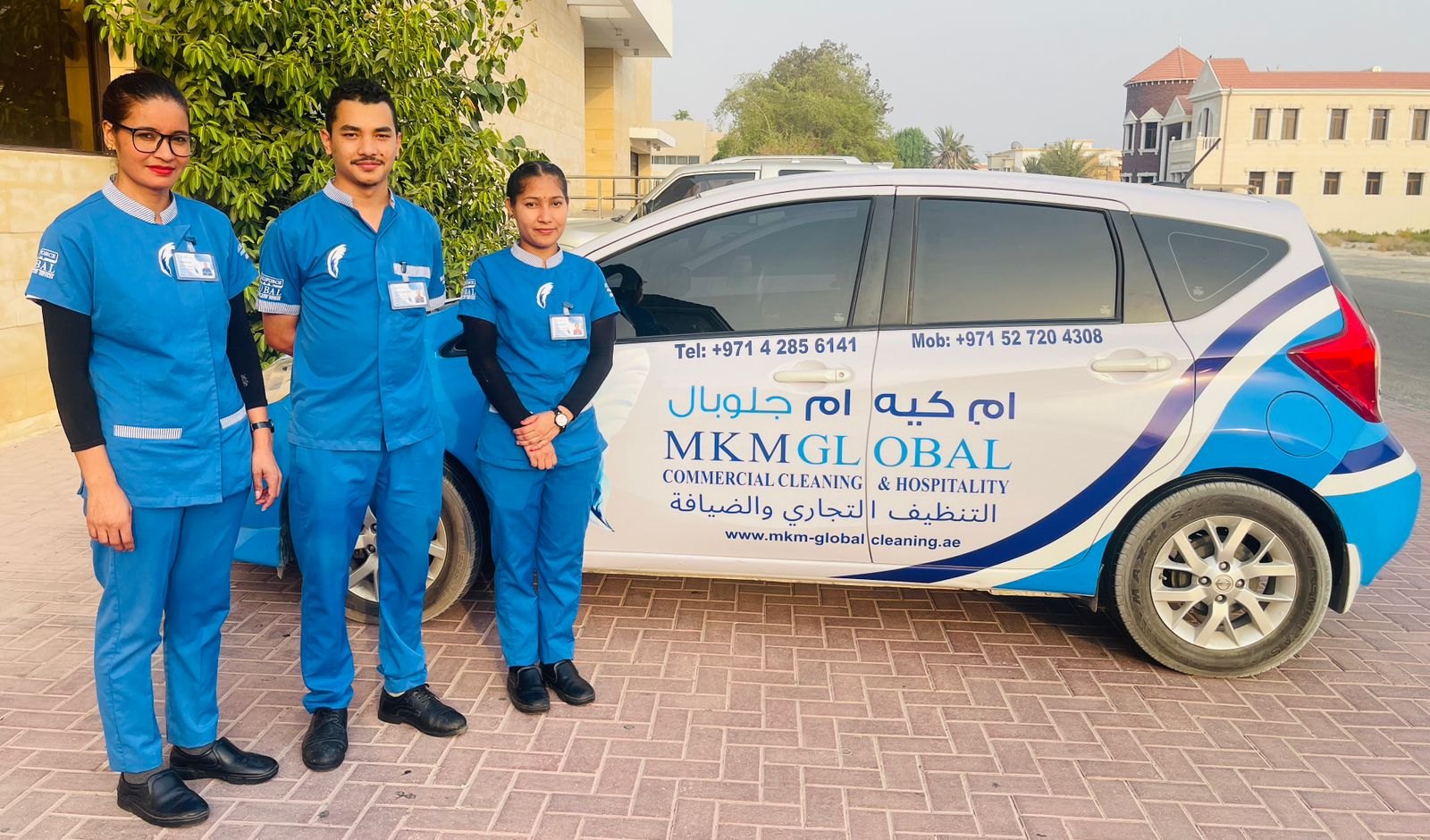
An automotive facility places two very different environments under one brand. The showroom must remain polished, calm and customer-ready, while the service centre deals with vehicle movement, workshop residue, wet areas and operational traffic. A successful cleaning plan must protect presentation without overlooking the safety and process controls required behind the customer-facing space.
Treat the showroom and workshop as separate cleaning zones
The showroom is a high-visibility retail environment. Glass, reflective finishes, vehicle display areas, reception desks and customer lounges quickly reveal fingerprints, dust and poor detailing. Cleaning must be discreet and timed so that it does not interfere with vehicle handovers, sales conversations or customer movement.
The workshop and service-centre areas present a different challenge. Vehicle routes, technician activity, parts handling and wash processes can introduce moisture, dirt and specialist residues. The cleaning method, equipment and escalation process must therefore be defined by zone. MKM’s automotive showroom and service-centre cleaning service is structured around this operational distinction.
Map the risks before confirming the scope
A site survey should identify vehicle and pedestrian routes, loading points, wash bays, workshop boundaries, drainage, customer access and restricted areas. It should also record surface types and any manufacturer or facility instructions that affect cleaning methods.
Responsibility must be unambiguous. The scope should state which spillages the cleaning team can safely address, which require workshop personnel or specialist support, and who controls access while an area is being made safe. Cleaning operatives should not be expected to handle unidentified workshop substances without an approved procedure.
Define the cleaning scope by operational area
Vehicle display floors
Display floors need planned dust removal, spot cleaning and periodic machine work suitable for the finish. The method should avoid splashing vehicles, creating slippery surfaces or leaving visible residue. Cleaning around display changes should be coordinated with the sales team because vehicle movement can expose previously covered areas.
Glass, doors and customer touchpoints
Internal glass, entrance doors and partitions need frequent attention because marks are visible in natural and showroom lighting. The schedule should separate routine touchpoint care from full glass cleaning so the team can maintain presentation throughout the day without disrupting customers.
Reception, lounge and office areas
Customer desks, seating areas, refreshment points and washrooms should be cleaned as occupied commercial spaces. Work should be quiet, controlled and planned around opening times and peak arrivals. Office and administration spaces can be incorporated using the same principles applied in MKM’s office cleaning service.
Workshop and technician areas
Workshop cleaning should follow defined access, safety and isolation procedures. Floors, shared touchpoints, bins and welfare areas require scheduled attention, but cleaning personnel must respect active work bays and equipment boundaries. Any leakage or residue outside the approved cleaning scope should be reported immediately rather than handled by assumption.
Wash bays and vehicle-cleaning areas
Wash-bay routines should include housekeeping, water management, equipment storage and keeping pedestrian routes clear. If the contract includes vehicle presentation, the expected exterior or interior service must be documented separately. MKM also provides commercial vehicle washing for vehicle showrooms and service centres.
Car parks and external approaches
The customer’s impression begins before the showroom entrance. Parking areas, ramps, pedestrian paths and doorway approaches need a planned schedule based on traffic and exposure. These areas may be coordinated with a broader car-park cleaning scope.
Plan cleaning around the automotive operation
The cleaning schedule should follow the facility’s real working rhythm. Pre-opening work can prepare customer areas, while daytime patrols protect washrooms, entrances and visible floors. Workshop tasks may need to take place between production periods or after bays are released. Periodic deep work should be agreed in advance to avoid conflict with vehicle deliveries, stock movement or service deadlines.
Unplanned activity also needs a response process. New-model launches, promotional events, workshop peaks and adverse weather can all change demand. Supervisors should know who can authorise temporary redeployment and how additional work will be recorded.
Agree who supplies chemicals and equipment
The contract must state whether chemicals and equipment are supplied by MKM or provided by the client. If the client supplies them, availability, suitability, storage and authorised use should be confirmed before mobilisation. If MKM supplies them, the approved product list, equipment plan, replenishment method and storage arrangements should form part of the proposal.
Products and tools must be suitable for the relevant finishes and tasks. Periodic restorative requirements can also be assessed through MKM’s commercial deep-cleaning service.
Make training specific to the site
General cleaning knowledge is not enough for a mixed automotive environment. Personnel need induction on vehicle routes, restricted areas, workshop escalation, customer conduct, wet-floor controls and the facility’s reporting process. Supervisors should confirm competence before independent deployment. Ongoing cleaning training and refresher instruction helps keep methods consistent when teams or site conditions change.
Measure outcomes that matter
Useful KPIs include opening readiness, showroom inspection results, washroom condition, response and closure time, repeat defects, deployment compliance and completion of approved periodic tasks. Workshop reports should distinguish cleaning defects from engineering, maintenance or operational matters outside the contractor’s control.
The review should connect data with visible standards. A completed checklist does not override an unacceptable customer area, and a spotless showroom should not conceal weak controls in the service centre.
Request an automotive cleaning site survey
MKM Global Commercial Cleaning & Hospitality can review your showroom, workshop, wash bay and customer facilities before preparing a clear commercial scope. Request a site survey and confirm whether chemicals and equipment should be supplied by MKM or provided by your organisation.
