
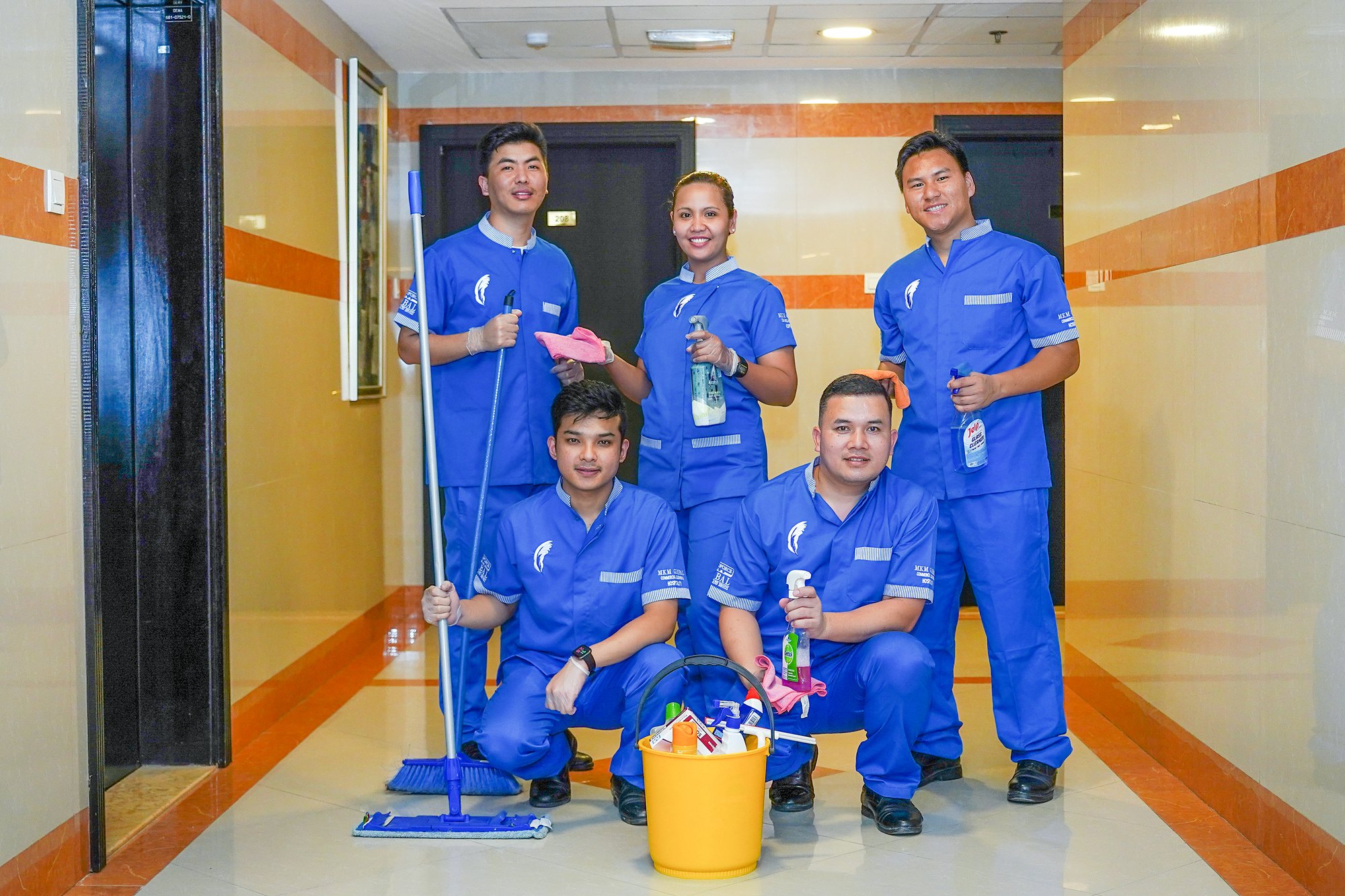
A cleaning contract is not operational simply because it has been signed. Between award and day one, the written scope must be converted into people, schedules, equipment, chemicals, supervision and working controls. Weak mobilisation creates avoidable confusion at the point when the client expects immediate stability. A structured plan gives both parties a clear route from commercial agreement to a controlled service launch.
Confirm governance immediately after contract award
The first step is to identify the client lead, contractor mobilisation lead, site supervisor and decision-makers for staffing, access, supplies and variations. Agree the meeting rhythm, action log and approval process. Every action should have an owner and due date, particularly where client information or site access affects the programme.
The mobilisation plan should also identify what would prevent a safe launch. Access cards, storage, utilities, inductions and approved supply arrangements are operational dependencies, not minor administrative details.
Verify the site before finalising the plan
The tender information must be checked against the live property. A detailed cleaning site survey and mobilisation assessment should confirm areas, measurements where relevant, surface types, occupancy, operating hours, footfall patterns, washrooms, waste points, restricted spaces and periodic-cleaning requirements.
Record any difference between the awarded scope and actual conditions. Resolve it before schedules and resources are locked, rather than leaving the site team to absorb an unidentified gap after launch.
Translate the specification into a task schedule
Break the contract into locations, tasks, methods, frequencies, timing and responsibility. Separate daily presentation work, responsive activity and planned periodic cleaning. The schedule should show what must be complete before opening, what continues during occupancy and what can only happen after hours.
MKM’s wider commercial cleaning services can be reviewed where the site requires several coordinated workstreams rather than one general schedule.
Build the staffing and supervision structure
Confirm the number and type of personnel required by shift and zone, then map recruitment, document checks, deployment and replacement arrangements. The plan should identify the site supervisor, reporting line and relief process for absence. Where the contract depends on flexible resources, a managed cleaning manpower plan should define how coverage and redeployment will be controlled.
A roster is only one part of readiness. Each person must understand where to report, what to wear, which areas they may enter and who can authorise a change to the deployment plan.
Prepare the equipment and consumables schedule
Create an equipment list against the actual tasks and finishes. Record quantities, delivery dates, storage locations, electrical or charging requirements, inspection needs and contingency arrangements. Large machines are not useful if they cannot access the intended area, fit into storage or operate during the available cleaning window.
Consumables need the same discipline. Define opening stock, minimum levels, replenishment responsibility and the approval route for unusual demand. If pre-launch restoration is needed, plan it separately through an appropriate commercial deep-cleaning scope.
Confirm the chemicals supply model
The mobilisation record must state whether chemicals are supplied by MKM or provided by the client. The approved list should identify the intended task, relevant surface and authorised method of use. Storage, labelling, access control and the availability of product information should be checked before delivery to site.
If client-provided chemicals or equipment are unavailable or unsuitable, the issue should be escalated before launch. The cleaning team should not be forced to improvise with an unapproved product or method.
Complete site-specific training and induction
Training should connect each operative’s task to the actual property. Cover approved methods, equipment use, chemical controls, access restrictions, emergency arrangements, customer conduct, reporting and wet-floor safety. Supervisors also need instruction on inspections, escalation and corrective-action records.
Attendance is not the same as competence. Use demonstrations and practical checks where appropriate, and record any retraining needed. MKM’s cleaning training programme supports consistent working practices across deployed teams.
Set up inspection, reporting and escalation
Before day one, agree the inspection form, KPI definitions, reporting frequency and evidence required. The client and contractor should share the same meaning for terms such as response, resolution, missed task and recurring defect. Create an escalation route for safety concerns, maintenance defects, access problems and work outside the approved scope.
Keep the system usable. A simple record that produces timely action is more valuable than a complex report completed after the opportunity to correct the issue has passed.
Run a readiness check before launch
Complete a joint walk-through before the service begins. Verify personnel, uniforms, access, equipment, chemicals, storage, schedules, communication channels and opening stock. Test the process for reporting an issue and confirm who can make decisions during the first shift.
If the incoming team inherits an unclear or unsuitable site condition, document it with the client. A pre-start condition record protects both parties and provides a fair baseline for the first inspection.
Control day one and the stabilisation period
Day one should have visible supervision and a clear response plan. Brief the team before deployment, inspect priority zones early and maintain regular contact with the client representative. Capture issues as they occur, assign actions and confirm closure rather than allowing several small problems to become a poor first-week pattern.
After launch, review whether task durations, staffing positions and frequencies match actual demand. Any agreed adjustment should be documented so the live plan remains aligned with the contract.
Request a cleaning mobilisation site survey
MKM Global Commercial Cleaning & Hospitality can assess your UAE site and develop a practical route from contract award to operational launch. Request a site survey to discuss your property, required service, start date and whether chemicals and equipment will be supplied by MKM or by your organisation.
