
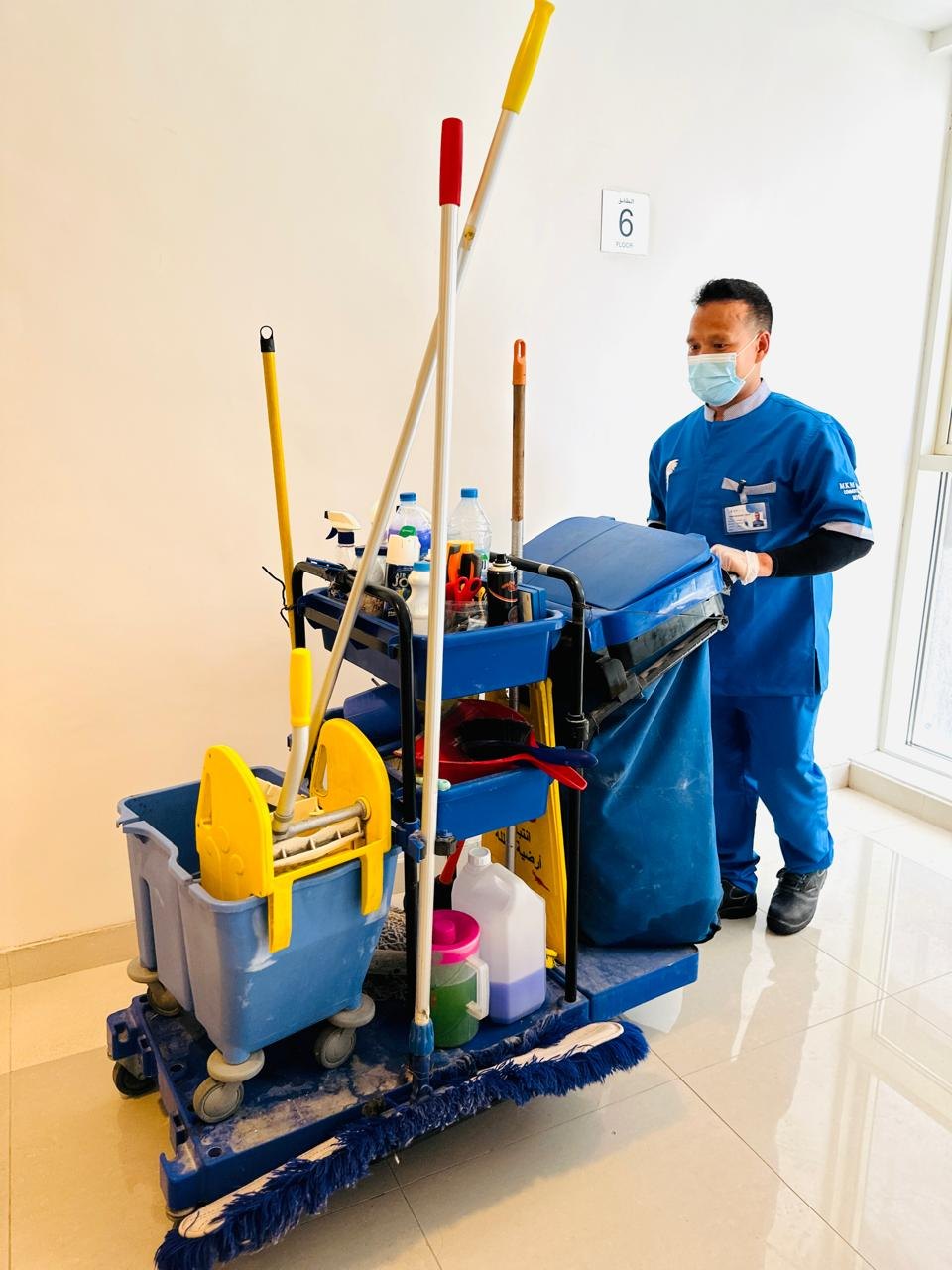
A cleaning tender can look precise while still relying on incomplete information. Floor area alone does not reveal footfall, operating restrictions, surface types, washroom demand, access controls or the condition of the facility. A pre-tender cleaning site survey brings those operational facts into the procurement process before contractors finalise their staffing, methods and price.
For UAE buyers, the objective is not simply to show suppliers around the building. A useful survey should help every bidder understand the same requirements, identify important risks and distinguish routine cleaning from periodic, specialist or corrective work.
A site survey is a commercial control, not a courtesy visit
A contractor that prices without understanding the site must make assumptions. Those assumptions may result in an inflated allowance, an unrealistically low bid or exclusions that only become clear after contract award. None of these outcomes supports a stable service.
A structured cleaning site survey should collect the information required to design a practical delivery plan. It should also give the buyer an opportunity to test how carefully each contractor approaches the facility.
The survey does not remove every unknown. Occupancy and operational needs can change. It does, however, create a stronger baseline for comparing proposals and managing later changes.
What the buyer should provide before the visit
Contractors can prepare more effectively when the tender pack contains clear background information. Where available, the buyer should provide:
- A schedule of buildings, floors and cleaning areas.
- Operating hours, shift restrictions and planned closure periods.
- Current or expected occupancy and visitor patterns.
- Existing cleaning frequencies and known service concerns.
- Areas requiring controlled access, permits or client supervision.
- Responsibility for consumables, chemicals, machinery and specialist equipment.
- Requirements for reporting, inspections and service-level reviews.
- The expected mobilisation date and any transition arrangements.
Providing this information to every invited bidder improves comparability. Therefore, if an important fact changes after the survey, the buyer should circulate the update to all participants rather than discuss it with only one contractor.
What a professional cleaning survey should inspect
Area use and occupancy
The same floor area can create very different cleaning demands. Do not treat a quiet administrative space, public reception, staff canteen and customer waiting area as identical square metres. The survey should record how each space is used, when it is busiest and when cleaning can take place without disruption.
For an office-focused requirement, the buyer can compare these observations with the scope considerations described in MKM’s office cleaning service.
Surfaces, fixtures and condition
Floor finishes, partitions, glazing, washroom fittings, furniture and high-level surfaces require different tools and methods. The survey team should record existing damage, staining or heavy buildup so the contract team does not confuse it with routine service failure after mobilisation.
For example, if the site needs an initial restoration or intensive clean before the regular contract begins, the buyer should identify that activity separately. MKM’s deep cleaning service illustrates the distinction between detailed corrective work and a recurring daily schedule.
Access, timing and security
The survey should confirm loading access, goods lifts, parking restrictions, security procedures, key control and permitted working hours. It should also identify areas where cleaning staff cannot work independently or where equipment movement is restricted.
These details affect productivity and shift planning. A task that takes a short time in an open area may require considerably more coordination in a controlled space.
Hygiene and operational risks
Buyers should point out areas with particular hygiene, waste or cross-contamination concerns. Contractors should then explain how their proposed method will address zoning, equipment separation, colour coding, chemical selection and supervision.
The survey should not rely on unsupported claims. Where the facility has internal standards or sector-specific procedures, the buyer should include those requirements in the tender documentation and the contractor should reflect them in the proposed service.
Storage, utilities and welfare arrangements
A viable cleaning plan depends on practical support. The survey should identify secure chemical and equipment storage, water and power access, drainage points, charging arrangements and any space available for staff preparation or briefings.
If suitable storage or utilities are unavailable, the tender should explain what alternative arrangement the buyer expects the contractor to provide. Leaving this unresolved can affect equipment choice, transport, replenishment and productivity.
Chemicals, machinery and consumables
Responsibility must be explicit. The buyer should state whether the client will supply chemicals and equipment, the cleaning contractor will supply them, or the two parties will divide responsibility. The same clarity is needed for washroom consumables, bin liners and specialist machinery.
A proposal should identify inclusions, exclusions and replacement responsibilities. If the proposal uses client-owned machines, the bidder should check their condition and availability rather than assume they are ready.
How survey findings shape the price
A bidder should connect a responsible price to a defined delivery model. Survey information informs the number and timing of staff, supervisory coverage, task frequencies, equipment selection, chemical requirements and periodic work.
Buyers should ask bidders to show these assumptions in a comparable format. The lowest monthly figure may reflect fewer hours, different inclusions or a narrower interpretation of the scope. A commercial evaluation should therefore examine the operating model behind the price, not only the total.
For broader context, MKM’s commercial cleaning services page outlines the variety of business environments that can require different site-specific plans.
What should happen after the survey
A useful survey should lead to a documented response. Depending on the tender process, this may include a clarification log, updated area schedule, confirmed equipment responsibilities or revised pricing instructions. In addition, the buyer should share material information from one visit consistently with all bidders.
Afterward, the selected contractor should convert the confirmed scope into a mobilisation plan. That plan can cover recruitment or staff allocation, induction, practical training, equipment delivery, chemical control, schedules, inspection forms, reporting and the first service review.
Questions buyers should ask during the visit
- Which assumptions could materially change the staffing proposal?
- Which tasks are routine, periodic, specialist or currently excluded?
- How will the team manage high-traffic and operationally sensitive areas?
- What equipment and storage arrangement does the contractor propose?
- Who supplies chemicals, machinery and consumables?
- Who will inspect and report performance?
- What information does the bidder still need before finalising the price?
Finally, clear answers help procurement and facilities teams distinguish a considered operational proposal from a generic quotation.
Request an MKM site survey
A good cleaning contract starts with an accurate understanding of the facility. MKM Global Commercial Cleaning & Hospitality can review the areas, operating conditions, responsibilities and mobilisation requirements behind a commercial cleaning scope.
Request a cleaning site survey for your UAE facility before tendering a new contract, comparing proposals or correcting a scope that no longer reflects current operations.
